How to Customize Drunken Noodles to Your Taste
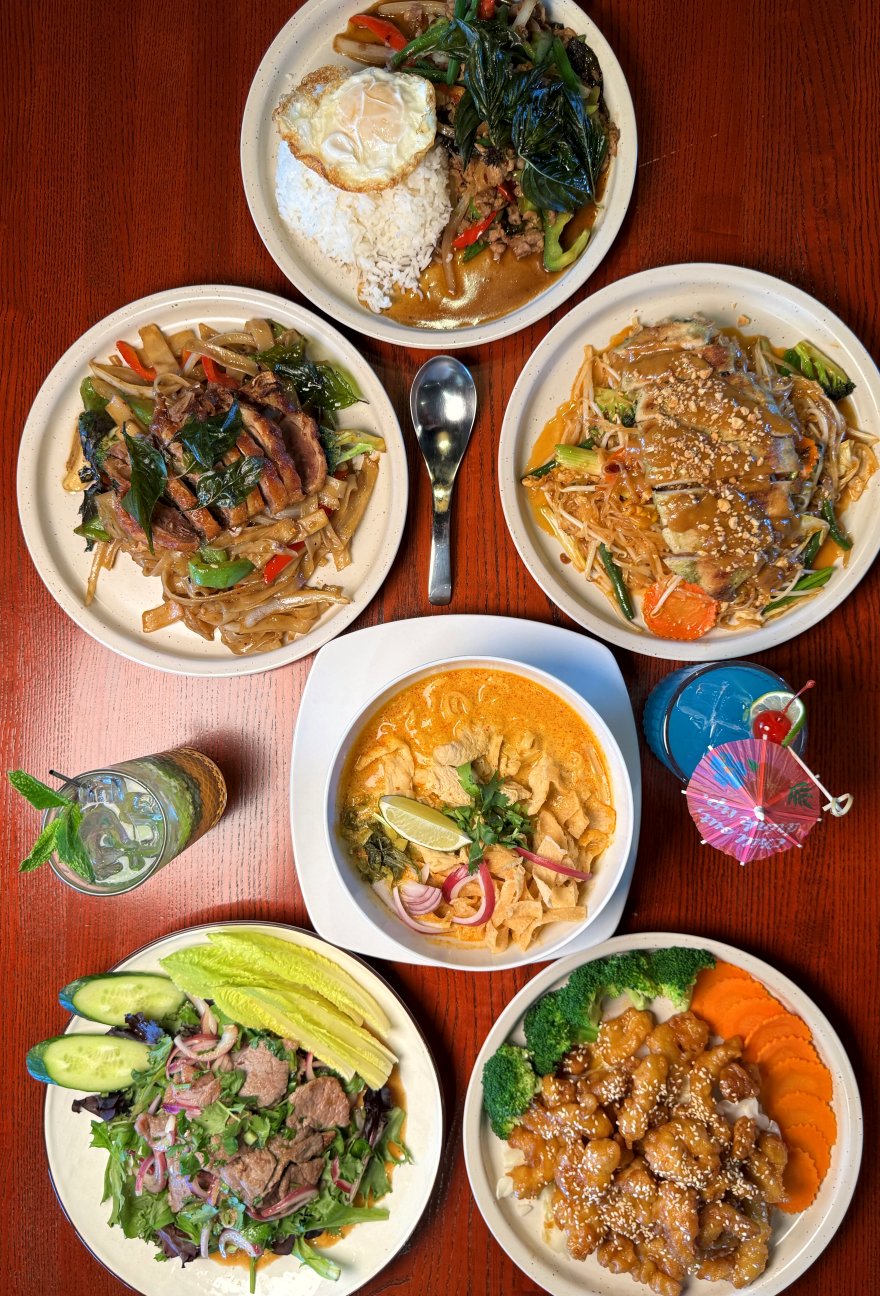
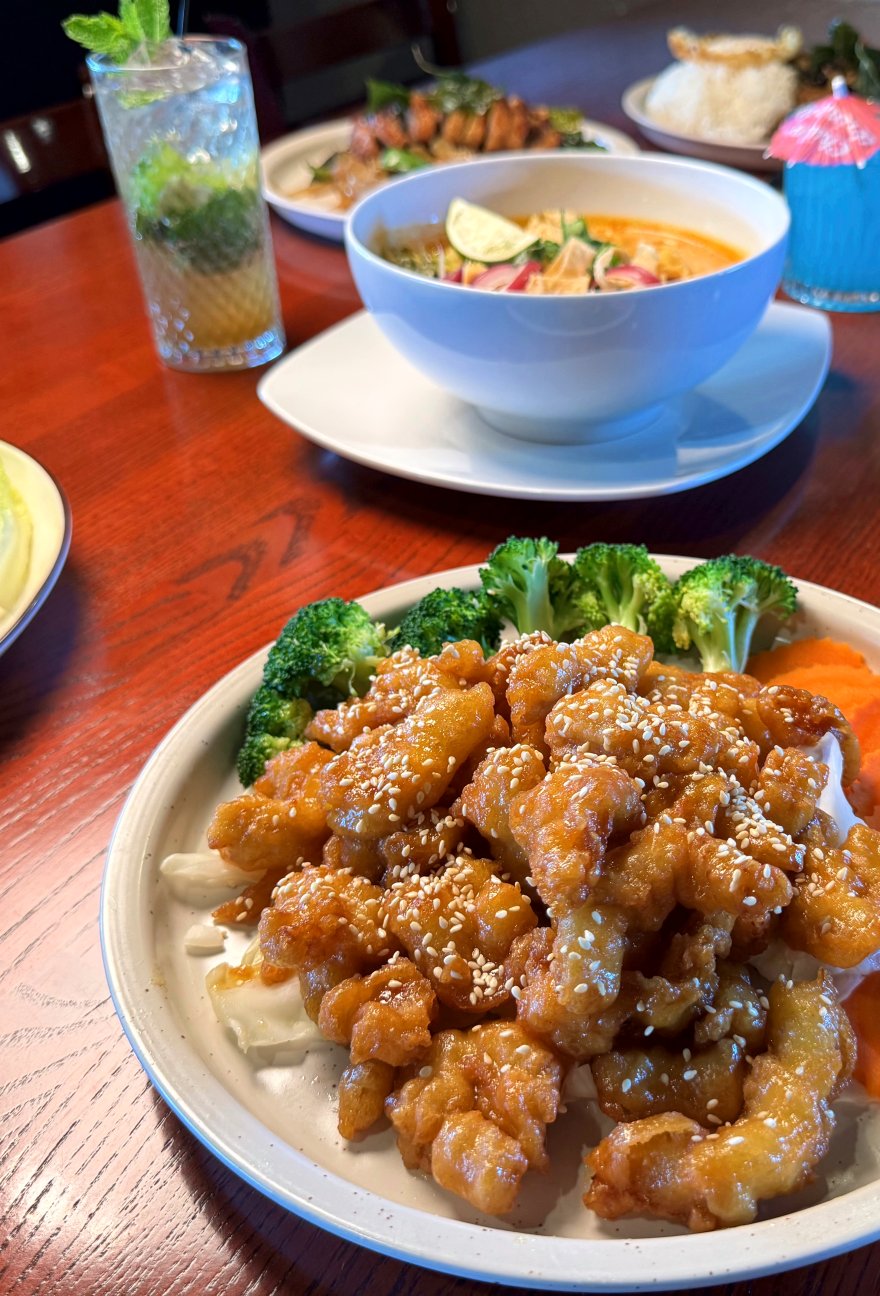
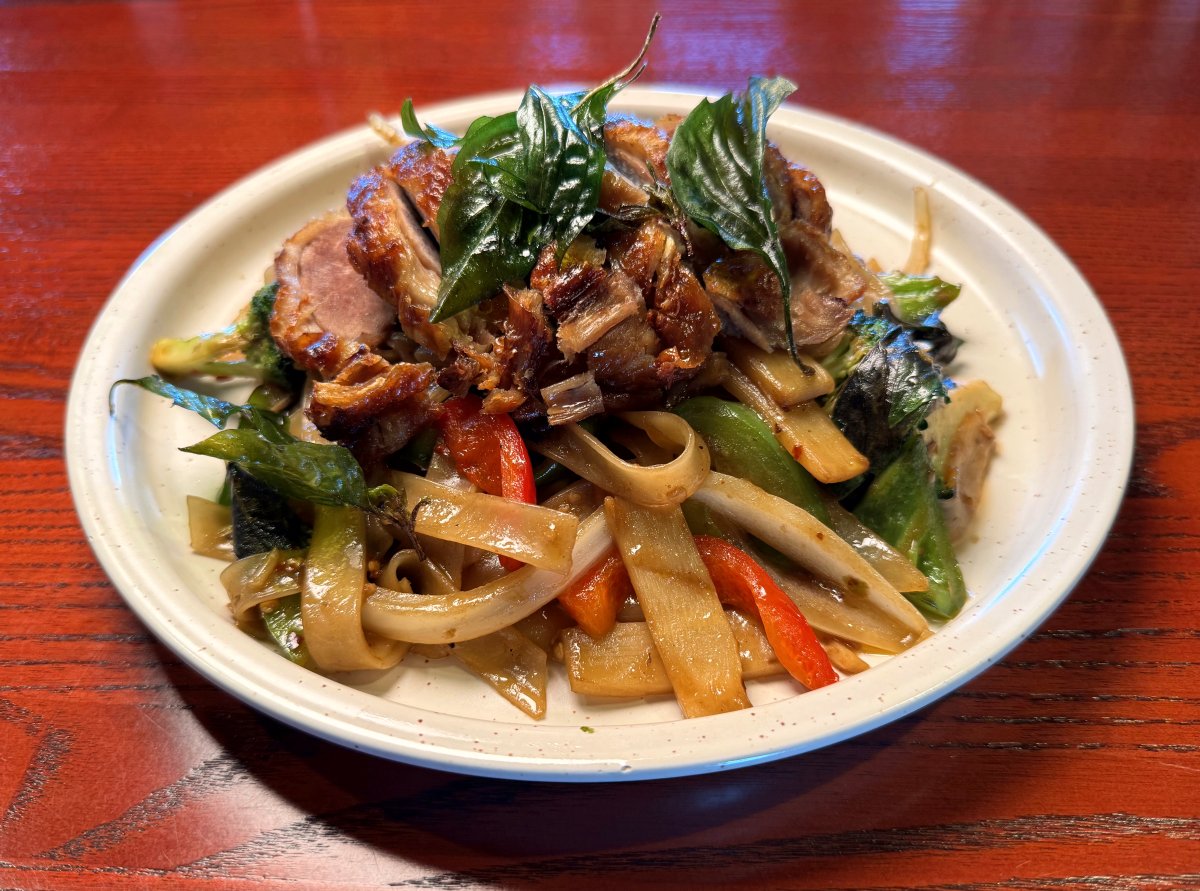
Drunken Noodles reward tinkering in a way few noodle dishes do. The basic framework is sturdy, wide rice noodles, a hot pan, savory sauce, chilies, aromatics, and basil, but almost every part of the dish can be pushed in one direction or another without losing its identity. That is why one plate can taste smoky and ferociously hot, while another leans sweet, glossy, and almost comforting. If you have ever ordered Drunken Noodles from two different places and felt like you got two entirely different dishes, you have already met the central truth of this recipe: it is highly adaptable.
That flexibility is exactly what makes it worth mastering at home. Once you understand what each ingredient contributes, you can build a version that suits your appetite, your heat tolerance, your pantry, and even your mood on a particular night. Some people want a plate loaded with crisp vegetables and just enough sauce to coat the noodles. Others want a darker, richer style with charred edges and a deeper soy profile. Neither approach is wrong. The trick is knowing which levers to pull.
Start with what Drunken Noodles are supposed to feel like
Before customizing anything, it helps to know what gives Drunken Noodles their character. The dish should feel bold. That usually means wide rice noodles with a soft chew, a sauce that hits salty and savory first, heat that is noticeable rather than timid, and fragrant basil that cuts through the richness at the end. Good Drunken Noodles are not delicate. They are direct, fast-moving, and a little unruly in the best way.
Texture matters as much as flavor. If the noodles are mushy, the whole dish goes flat. If the vegetables release too much water, the sauce turns thin and the wok-fried quality disappears. If the basil goes in too early, it loses its perfume and becomes just another wilted green. In restaurant kitchens, cooks solve these problems with fierce heat and speed. At home, you solve them with good prep, sound judgment, and a realistic understanding of your stove.
That matters because customization is not just about swapping ingredients. It is about keeping balance while making changes. If you add sweetness, you may need more acid or heat. If you choose a milder protein, you may want a stronger sauce. If you add more vegetables, you may need to cook in smaller batches so the noodles still fry rather than steam.
Choose your noodle style first
If you make only one decision carefully, make it this one. The noodle defines the eating experience more than the protein does.
Fresh wide rice noodles are the classic choice, and when they are good, they are hard to beat. They have a supple chew and enough surface area to catch sauce in broad, glossy ribbons. They also tear easily if handled roughly, especially when cold. If you buy them fresh and refrigerated, let them come closer to room temperature before separating them. A few minutes of gentle loosening with your hands often works better than forcing them apart with utensils.
Dried wide rice noodles are a practical backup, though they need attention. Over-soak them and they become fragile before they ever hit the pan. Under-soak them and they stay stiff in the center. I have had the best results soaking them until they are flexible but still slightly firmer than I want to eat, then letting the wok finish the https://codytupg967.urbanvellum.com/posts/thai-basil-drunken-noodles-recipe-you-ll-love job. Think of them as pasta that needs carryover cooking from the sauce and steam.
If you prefer a less traditional but more forgiving option, fresh wheat noodles can create a satisfying version at home. They do not taste like classic Drunken Noodles, but they handle tossing better, and they are less likely to clump. This can be helpful if you are cooking on a standard home burner and need extra margin for error.
The most common mistake is trying to force noodles into the dish before they are ready. If they are stuck together in a solid block or still brittle at the core, no amount of sauce will save them. On the other hand, if they are overly soft before cooking, the pan will finish them into paste. A little restraint here pays off.
Dial the sauce toward salty, sweet, or savory
People often talk about Drunken Noodles as if there were one correct sauce profile, but in practice the dish lives on a spectrum. Some cooks want strong salinity and funk from soy and fish sauce. Others like a touch more sweetness to round the heat. Many restaurant versions quietly push sugar higher than home cooks expect, because sugar helps create that lacquered, clingy finish customers associate with takeout stir-fries.
A balanced sauce usually includes soy sauce for depth and color, oyster sauce for body and sweetness, and fish sauce for sharp, savory intensity. From there, you can steer the dish.
If you like a darker, more robust plate, increase the soy character slightly and let the noodles pick up more char in the pan. This style pairs especially well with beef, mushrooms, or Chinese broccoli. It feels more savory, more adult, and a little less playful.
If you prefer something rounder and easier to eat in large bites, lean more on oyster sauce and a small amount of sugar. Not a candy-sweet finish, just enough to soften the edges. This direction works well with chicken or tofu, especially if you use plenty of basil and chilies to keep the dish from feeling heavy.
If you want the aromatics to do more of the work, keep the sauce lighter and avoid drowning the noodles. A common home mistake is using too much liquid in pursuit of flavor. The result is soupy rather than glossy. Drunken Noodles should be coated, not sitting in a puddle.
A useful habit is to mix your sauce before the pan gets hot and taste it mentally rather than literally. It may sound odd, but fish sauce and soy on their own can be harsh. Instead of sipping it, look at the proportions and ask what role each one is playing. Is there enough sweetness to support the heat? Enough salinity to season the noodles? Enough body for the sauce to cling? Experienced stir-fry cooks learn to read sauce before it ever touches the pan.
Heat is not just about how many chilies you use
Most people approach customization by asking one question first: how spicy should it be? That is fair. Drunken Noodles should have some kick. But heat has shape, not just volume.
Fresh Thai chilies deliver quick, bright fire. Crushed dried chilies tend to bring a slightly deeper, more lingering heat. Chili paste can add color and body as well as spice, though it also changes the flavor profile more noticeably. If you want the dish to stay closer to a classic basil stir-fry style, fresh chilies are the cleanest route.
There is also a difference between heat cooked into the oil and heat added late. Chilies fried early with garlic spread their spice through the entire dish. Sliced chilies tossed in closer to the end stay more distinct, and their bite lands in bursts. If someone says they like spicy food but not an aggressively hot first bite, this is a good adjustment to make.
For households with mixed tolerance, I often recommend building moderate heat into the base and offering extra sliced chilies or chili vinegar at the table. That preserves the integrity of the dish without forcing everyone into the same spice level. It is a restaurant habit worth stealing because it gives control to the eater, not just the cook.
Protein changes the personality of the dish
Chicken makes a dependable, crowd-friendly plate. It absorbs sauce well, cooks quickly, and stays neutral enough to let the basil and chilies remain at the center. Thigh meat works better than breast if you want more forgiveness and flavor, especially in a hot stir-fry where lean meat can turn dry fast.
Beef creates a heavier, darker version of Drunken Noodles. Thin slices of flank, sirloin, or another quick-cooking cut pair beautifully with wide noodles because the chew of the meat echoes the chew of the noodle. If you go this route, a slightly stronger sauce usually makes sense. Beef can carry it.
Shrimp brings sweetness and a lighter feel, but timing becomes more delicate. Overcook shrimp and the whole dish tightens up. Cook them just until nearly done, then return them to finish with the noodles if needed. This keeps them tender and avoids that rubbery snap that ruins an otherwise good stir-fry.
Tofu deserves more respect here than it often gets. Properly pressed and well-browned tofu can turn Drunken Noodles into a deeply satisfying meatless meal, especially if the sauce is assertive and the vegetables have some char. The key is texture. Pale, soft tofu dropped straight into the wok tends to disappear. Crisp edges give it presence.
Egg can also play a larger role than many home cooks realize. Scrambled into the dish, it softens the spice and adds richness. Fried separately and placed on top, it turns the bowl into something more substantial and slightly luxurious. If you are cooking for one and want a quick version without meat, basil, chilies, egg, and noodles can be enough.
Vegetables are where you can make the dish feel lighter or heartier
The vegetable choice is often what separates a good home version from a great one. Classic pairings include Chinese broccoli, baby corn, bell pepper, onion, and long beans, but the broader principle is more important than the exact list. You want vegetables that either hold their shape under high heat or soften in a controlled way without flooding the pan.
Chinese broccoli is especially good because it brings bitterness and crunch. That bitterness balances a sweeter sauce beautifully. Bell peppers contribute sweetness and color, though too many can make the dish taste more like a generic stir-fry than Drunken Noodles. Onion adds aroma and a little moisture, which can be helpful, but it should not dominate.
Mushrooms are excellent if you want more savoriness. They deepen the whole dish and pair especially well with basil. The caution is water content. If the mushrooms crowd the pan, they steam and make everything else soggy. Cook them decisively or in batches if necessary.
Zucchini, spinach, and soft greens can work, but they push the dish toward a gentler texture. That is not bad, but it does change the character. If your goal is a bold, slightly smoky plate with defined chew, sturdier vegetables usually perform better.
When customizing, think of vegetables less as extras and more as part of the balance equation. Crisp vegetables can offset a richer sauce. Sweet vegetables can tame aggressive heat. Bitter greens can sharpen a dish that otherwise tastes flat.
Basil is not a garnish, it is a structural ingredient
This is the place where many homemade versions miss the mark. Basil is not there for color. It is there to perfume the dish and give it lift. Without it, Drunken Noodles can taste heavy, even if the sauce is technically balanced.
Thai basil is ideal because it holds up to heat and has that faint licorice note that cuts through salty sauce and chili. Sweet Italian basil can be used in a pinch, but it changes the profile. It is softer, more rounded, and less peppery. If that is what you have, use it, but add it at the very end and be generous so the aroma still registers.
There is also a timing issue. Basil should hit the pan late, just long enough to wilt and release its fragrance. Cook it too long and you lose the very quality you needed it for. I learned this the annoying way years ago while trying to multitask two dishes at once. The noodles were fine, technically seasoned, properly spicy, and completely missing that bright top note that makes you want the next bite. Since then, I treat basil like a finishing move, not a vegetable.
The pan and heat level determine whether you get gloss or steam
People sometimes blame ingredients when the real problem is pan management. Drunken Noodles need space and heat. A crowded skillet turns the dish watery. A pan that is not fully hot before the aromatics go in leaves the noodles greasy rather than lightly charred.
At home, you do not need a restaurant wok burner to make an excellent version, but you do need to respect your equipment. A carbon steel wok is ideal, yet a large skillet can work if you cook in sensible quantities. For most home kitchens, two servings is comfortable. Four servings all at once usually becomes a compromise.
Watch for the point when the noodles start to catch slightly and the sauce tightens into a sheen. That is the moment the dish comes alive. If everything looks wet and pale, keep tossing over heat, but only if the pan is not overcrowded. If it is, no amount of patience will create wok character. You will just overcook the noodles.
Here is the short checklist I use when a batch tastes good but feels disappointing:
- Use less sauce than you think you need.
- Cook fewer portions at one time.
- Add basil at the very end.
- Keep vegetables crisp, not limp.
- Let the noodles contact the pan long enough to pick up color.
Those five changes solve most home-cooking issues faster than buying new ingredients.
Customize for specific cravings, not abstract perfection
Trying to make the “best” Drunken Noodles can be less useful than deciding what kind of plate you want tonight. A spicy late-night version is different from a weeknight dinner built to please a family. A lighter lunch portion needs a different balance than a rich takeout-style bowl.
If I want something close to restaurant comfort food, I increase the sauce slightly, use chicken thigh or tofu, add onion and bell pepper, and allow a touch more sweetness. The result is glossy, bold, and easy to crave.
If I want a sharper, more aromatic plate, I use more basil, less sweetness, sturdier greens, and enough chili to make itself known without overwhelming the herbs. This style tastes fresher and less heavy, even when the ingredient list is similar.
For colder weather, beef and Chinese broccoli with a darker sauce make sense. For summer, shrimp with extra basil and a cleaner finish feels better. The framework stays familiar, but the mood changes.
This is where experience matters. Customization is not random substitution. It is matching ingredients to the outcome you want. If you know you are adding sweet vegetables like red pepper and onion, maybe pull back on sugar. If you are using mild tofu, maybe keep the fish sauce or soy assertive enough to compensate. If you want leftovers that reheat well, choose vegetables that hold up and keep the noodles slightly firmer at the start.
Common adjustments that actually improve the dish
There are a few tweaks that home cooks make out of necessity that can genuinely produce a better plate for their preferences. Not every deviation from tradition is a compromise.
A squeeze of lime at the table can brighten a richer version, even though the dish is not fundamentally a sour one. A spoonful of stock or water added in tiny amounts can help reawaken sauce if the pan is too dry, especially when using dried noodles. A pinch more sugar can rescue a batch that tastes too sharp from fish sauce. None of these are cheats. They are judgments.
The only caution is to avoid fixing every problem with more sauce. If noodles are dry because they overcooked, extra liquid may make them slick rather than better. If the dish tastes flat because the basil was weak, more soy will not solve it. Diagnose accurately. Was it texture, heat, aroma, or seasoning? Good customization depends on knowing which category needs help.
A few combinations worth trying
When people ask me for ways to personalize Drunken Noodles without making the dish unrecognizable, these are the combinations I recommend most often:
- Chicken thigh, bell pepper, onion, and Thai basil for a classic crowd-pleasing version.
- Beef, Chinese broccoli, and a darker soy-forward sauce for a heartier plate.
- Shrimp, baby corn, and extra fresh chilies for a lighter but vivid variation.
- Crisp tofu, mushrooms, and basil with a slightly stronger savory sauce for a meatless option that still feels substantial.
- Egg, long beans, and plenty of garlic for a fast pantry-driven meal with real character.
Each one changes the center of gravity a little. That is the point. You are not trying to erase the dish, just tune it.
Make peace with iteration
The first time you customize Drunken Noodles, take notes mentally if not on paper. Did you wish the noodles were chewier? Was the basil too faint? Did the sauce need more body, or was it already right but the pan was too crowded? Small observations matter more than copying a rigid formula.
This is a dish that gets better as your instincts sharpen. You learn how your preferred brand of oyster sauce behaves, how much heat your household actually enjoys, how quickly your stove loses momentum when the pan is overloaded, and how much basil it takes before the aroma rises above the soy and chilies. Those are not glamorous insights, but they are the ones that produce a plate you genuinely want to eat again.
At its best, Drunken Noodles feel personal. Not because they abandon their roots, but because they welcome adjustment without losing their swagger. Once you understand the relationship between noodle, sauce, heat, basil, and pan contact, the dish opens up. You can make it hotter, greener, darker, lighter, sweeter, or more savory, and still land in the right place. That is what makes it such a satisfying recipe to cook well.
Nakhon Luang Thai Kitchen
Address: 805 Village Center Dr, Colorado Springs, CO 80919
Phone number: +17195315175
FAQ About Drunken Noodles
What makes it drunken noodles?
Drunken noodles, or Pad Kee Mao, get their name from the Thai word khi mao (meaning "drunkard"). They contain no alcohol. The name comes from the idea that the dish is a popular late-night meal to cure a hangover or a great food to eat with a cold beer.
What is the difference between pad see ew and drunken noodles?
While both Pad See Ew and Drunken Noodles use the same wide rice noodles, Pad See Ew is a mild, sweet-savory dish made with dark soy sauce and Chinese broccoli, whereas Drunken Noodles (Pad Kee Mao) are fiery, garlicky, and herbaceous with fresh chilies and Thai basil.
What are traditional drunken noodles?
Traditional drunken noodles, known as Pad Kee Mao in Thai, are a fiery, savory street food stir-fry made with wide flat rice noodles, fresh garlic, lots of hot chilies, meat or tofu, and fragrant holy basil. Despite the name, they contain no alcohol; the dish is traditionally eaten late at night or as a hangover cure because the intense spice helps clear the head.